40-33: Copies of all Stockholder Derivative Actions filed with a court against an Investment Company or an Affiliate thereof [Section 33]
Published on June 12, 2026
|
Eversheds Sutherland (US) LLP 700 Sixth Street, NW, Suite 700 Washington, DC 20001-3980
D: +1 202.383.0218 F: +1 202.637.3593
cynthiakrus@ eversheds-sutherland.com |
June 12, 2026
VIA EDGAR
U.S. Securities and Exchange Commission
100 F Street, N.E.
Washington, D.C. 20549
| Re: | Blue Owl Technology Finance Corp. |
File No. 000-55977
Filing Pursuant to Section 33 of the Investment Company Act of 1940
Dear Sir/Madam:
On behalf of Blue Owl Technology Finance Corp. (the “Company”) and certain affiliated persons thereof, and pursuant to Section 33 of the Investment Company Act of 1940, as amended, enclosed for filing please find a copy of the verified derivative complaint filed in the United States District Court for the District of Maryland in case 1:26-cv-02260-ELH on June 5, 2026 by P. Alexander Ataii, derivatively, on behalf of the Company, as plaintiff, against Blue Owl Technology Credit Advisors LLC, as defendant, and the Company, as nominal defendant.
If you have any questions or comments regarding this submission, please do not hesitate to contact Dwaune Dupree (202.383.0206) or me (202.383.0218).
| Sincerely, | ||
| /s/ Cynthia M. Krus | ||
Eversheds Sutherland (US) LLP is part of a global legal practice, operating through various separate and distinct legal entities, under Eversheds Sutherland. For a full description of the structure and a list of offices, please visit www.eversheds-sutherland.com.
IN THE UNITED STATES DISTRICT COURT
FOR THE DISTRICT OF MARYLAND
| P. ALEXANDER ATAII, | No. | |
| c/o Robbins LLP | ||
| 5060 Shoreham Place, Suite 300 | ||
| San Diego, CA 92122 | ||
| Derivatively on Behalf of BLUE OWL | ||
| TECHNOLOGY FINANCE CORP., | ||
| Plaintiff, | ||
| v. | ||
| BLUE OWL TECHNOLOGY CREDIT | ||
| ADVISORS LLC, | ||
| 399 Park Avenue, 37th Floor | ||
| New York, NY 10022, | ||
| Defendant, | ||
| -and- | ||
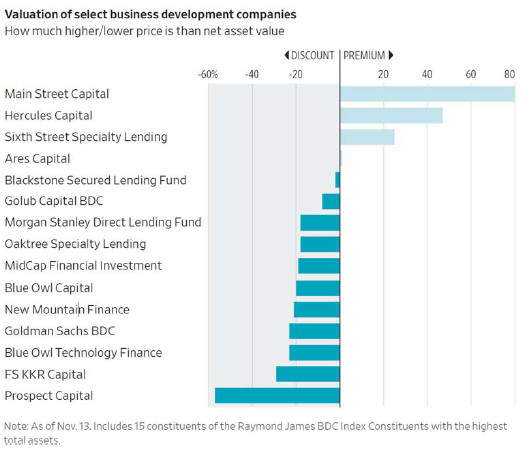
| BLUE OWL TECHNOLOGY FINANCE | ||
| CORP., | ||
| 399 Park Avenue, 37th Floor | ||
| New York, NY 10022, | ||
| a Maryland Corporation, | ||
| Nominal Defendant. | DEMAND FOR JURY TRIAL | |
VERIFIED SHAREHOLDER DERIVATIVE COMPLAINT
Plaintiff P. Alexander Ataii (“Plaintiff”), by his undersigned counsel, brings this action derivatively on behalf of and for the benefit of Blue Owl Technology Finance Corp. (“OTF” or the “Fund”) against Blue Owl Technology Credit Advisors LLC (“Defendant” or the “Advisor”) pursuant to Section 36(b) of the Investment Company Act of 1940 (the “ICA”), 15 U.S.C. §80(a)-35(b). The following allegations are based on knowledge as to Plaintiff and Plaintiff’s own actions, and on information and belief as to all other matters, based on the investigation of Plaintiff’s counsel, which included, among other things, a review and analysis of documents, including filings with the U.S. Securities and Exchange Commission (“SEC”), news reports, and other publicly available materials. Plaintiff believes that a reasonable opportunity for discovery will yield additional substantial evidentiary support for the allegations herein.
NATURE OF THE ACTION
1. OTF is an externally-managed, closed-end management investment company operating as a Business Development Company (“BDC”) under the ICA. Defendant is OTF’s investment manager and administrator. OTF has paid Defendant hundreds of millions of dollars in fees for serving in these roles.
2. These fees, however, are improper and excessive. Defendant’s management fee is based on OTF’s gross assets and its incentive fee is based on income and capital gains. As explained in detail below, both fees incentivize the Advisor to increase the value of OTF’s assets and keep those assets at an inflated value. Many of OTF’s investments are illiquid or not freely traded. The Board of Directors of OTF (the “Board”) designated the Defendant as OTF’s “valuation designee,” i.e., the entity that provides a value for these assets that do not trade on active markets. By doing so, the Board essentially turned over to Defendant the ability to set its own fees. As could be expected with these incentives, Defendant has inflated the value of OTF’s assets by hundreds of millions of dollars, substantially increasing the fees it receives.
- 1 -
3. Second, the Advisor has not lowered its fees as OTF has grown. An accepted precept in the advisory industry is that it is not harder to manage a fund simply because it is bigger. Therefore, in order to prevent exorbitant fees, the percentage of assets under management that advisors charge as fees should decrease as the assets grow. Defendant has not followed this rule, known in the industry as economies of scale. OTF net assets grew by nearly $4.5 billion between 2024 and 2025, a 120% increase. In the same time period, Defendant’s management fees increased over 155%, incentive fees by nearly 130%, and total fees by over 140%. Thus, as OTF’s net assets have increased, it has actually paid more as a percentage than when it was smaller, the exact opposite of what should have occurred, resulting in a nearly 155% increase in advisory fees for Defendant. Notably, during this time, OTF’s net asset value (“NAV”) only increased to $17.33 per share from $17.09 per share, an increase of less than 1.5%,
4. Defendant’s fees are so disproportionately large that they bear no reasonable relationship to the services rendered and could not have been the product of arm’s-length bargaining. Accordingly, pursuant to Section 36(b)(3) of the ICA, Plaintiff seeks, on behalf of OTF, the damages resulting from the breaches of fiduciary duties by Defendant, including the amount of excessive compensation and payments received by Defendant, and the rescission of the contracts that form the basis for the excessive and illegal fees pursuant to Section 47(b) of the ICA 15 U.S.C. §80a-46(b).
JURISDICTION AND VENUE
5. This is a derivative action brought by Plaintiff on behalf of OTF pursuant to Section 36(b) of the ICA, 15 U.S.C. §§80a-35(b).
6. This Court has subject matter jurisdiction pursuant to 15 U.S.C. §80a-43, 15 U.S.C. §80a-35(b)(5), 80(a)-44, and 28 U.S.C. §1331.
- 2 -
7. Venue is proper in this judicial district pursuant to Section 44 of the ICA, 15 U.S.C. §80a-43, and 28 U.S.C. §1391 because Defendant is an inhabitant of this district, maintains offices in this district, and/or transacts business in this district, and because certain of the acts and transactions giving rise to Plaintiff’s claim occurred in this district.
THE PARTIES
Plaintiff
8. Plaintiff owns shares of OTF.
Nominal Defendant
9. Nominal defendant OTF is a Maryland corporation with principal executive offices located at 399 Park Avenue, 37th Floor, New York, New York. OTF is an externally-managed, closed-end management investment company operating as a BDC under the ICA, as amended. The Advisor serves as OTF’s external manager pursuant to an Amended and Restated Investment Advisory Agreement, which became effective on May 18, 2021, and which OTF’s Board approved for continuation on May 5, 2025 (the “Investment Advisory Agreement”). The Advisor also acts as the Fund’s administrator pursuant to an Amended and Restated Administration Agreement, which also became effective on May 18, 2021, and was approved for continuation by the Board on May 5, 2025 (the “Administration Agreement”). Under the Advisor’s management, OTF is primarily focused on making loans to, and making debt and equity investments in, technology-related companies based primarily in the United States. The Fund originates and invests in senior secured or unsecured loans, subordinated loans or mezzanine loans, and equity-related securities including common equity, warrants, preferred stock, and similar forms of senior equity. OTF currently does not have any employees, and services for the Fund’s business are provided by individuals who are employees of the Advisor or its affiliates. OTF became publicly traded on June 12, 2025 (the “Listing Date”).
- 3 -
Defendant
10. Defendant is a Delaware limited liability company with principal executive offices located at 399 Park Avenue, 37th Floor, New York, New York. The Advisor is an indirect subsidiary of Blue Owl Capital Inc. (“Blue Owl”), and part of Blue Owl’s credit investment platform. As part of Blue Owl’s credit platform, the Advisor offers private credit solutions to primarily upper-middle market companies through differentiated access points. Defendant manages OTF’s day-to-day business pursuant to the Investment Advisory Agreement and the Administration Agreement, which each became effective on May 18, 2021, and were approved for continuation by OTF’s Board on May 5, 2025. Under the terms of the Investment Advisory Agreement, the Advisor is responsible for managing the Fund’s assets, determining the composition of the Fund’s portfolio as well as the nature and timing of changes thereto, making investment decisions, and monitoring such investments.
Non-Party
11. Blue Owl is a publicly traded alternative investment asset management company headquartered at 399 Park Avenue, 37th Floor, New York, New York. Blue Owl earns revenue by charging management fees on the loan portfolios of its affiliated BDCs.
12. Under its credit platform, Blue Owl provides direct lending among other private financing options through subsidiary advisory entities and six BDCs that the Fund has effective control over. “Direct lending” is distinct from bank lending. Direct lending uses funds raised from private shareholders whereas bank lending uses funds from customer deposits. Entities engaged in direct lending do not have to maintain the same capital levels as banks to absorb losses. This allows for riskier lending strategies.
- 4 -
13. Blue Owl and its subsidiary advisory entities dictate BDC loan recipients and valuations. The Fund receives management fees from BDCs. Two of Blue Owl’s BDCs are publicly traded, OTF and Blue Owl Capital Corporation (“OBDC”). While each BDC maintains its own board of directors and audit committee, which are responsible for overseeing the advisor’s fees, valuation process, fair value determination, and related governance function, there is substantial overlap among the board members.
BACKGROUND INFORMATION ABOUT THE INVESTMENT MANAGEMENT
INDUSTRY AND THE PURPOSE OF THE ICA
14. An investment fund, such as a BDC or mutual fund, is typically created and managed by a pre-existing organization known as an investment advisor that generally supervises the daily operation of the fund and often selects affiliated people to serve on the fund’s board of trustees. Congress recognized as early as 1935 that because a typical investment fund is organized by its investment advisor which provides it with almost all of its management services, and because its shares are bought by investors who rely on that service, a mutual fund cannot, as a practical matter, sever its relationship with the advisor.
15. Because of this relationship in the investment fund industry, there is no arm’s-length bargaining. As a result, in 1940, Congress enacted the ICA to protect funds and their shareholders from unscrupulous investment advisors. The conflicts in the inherent structure of such investment companies, including those at issue here, exemplify the concern raised in the preamble to the ICA that “investment companies are organized, operated, [and] managed, … in the interest of … investment advisers, … rather than in the interest of [shareholders].” As stated in the ICA:
[T]he national public interest and the interest of investors are adversely affected ... when investment companies are organized, operated, [and] managed ... in the interest of ... investment advisers, ... rather than in the interest of [shareholders] ... [or] when investment companies ... are not subjected to adequate independent scrutiny.
ICA Section 1(b)(2), (5); 15 U.S.C. §80a-1(b).
- 5 -
16. During the 1960s, Congress realized that investment advisors to funds were charging those funds excessive fees. Thus, Congress added Section 36(b) to the ICA in 1970. This provision created a federal cause of action for breach of fiduciary duty by investment advisors. Section 36(b) states, in pertinent part:
[T]he investment adviser of a registered investment company shall be deemed to have a fiduciary duty with respect to the receipt of compensation for services, or of payments of a material nature, paid by such registered investment company, or by the security holders thereof, to such investment adviser or any affiliated person of such investment adviser. An action may be brought under this subsection ... by a security holder of such registered investment company on behalf of such company, against such investment adviser, or an affiliated person of such investment advisor ... for breach of fiduciary duty in respect of such compensation or payments paid by such registered investment company or by the security holders thereof to such investment adviser or person.
17. In 1980, Congress enacted amendments to the ICA to permit creation of BDCs to spur investments in small and mid-sized businesses. If a company elects to be treated as a BDC, it must subject itself to all relevant provisions of the ICA.
18. The test for determining whether fee compensation paid to an advisor violates Section 36(b) of the ICA is essentially whether the fee schedule represents a charge within the range of what would have been negotiated at arm’s length in light of all the surrounding circumstances. Thus, an advisor violates Section 36(b) if it charges a fee that is so disproportionately large that it bears no reasonable relationship to the services rendered and could not have been the product of arm’s-length bargaining.
19. Thus, if the Investment Advisory Agreement violates Section 36(b) of the ICA, then it is subject to rescission under Section 47(b) of the ICA.
OTF’S ORGANIZATION AND OPERATIONS
20. OTF elected to be regulated as a BDC under the ICA and treated as a regulated investment company (“RIC”) for U.S. federal income tax purposes. Because it is a RIC, OTF must distribute in each taxable year: (i) at least 90% of its investment company taxable income; and (ii) at least 90% of its tax-exempt interest for that taxable year.
- 6 -
21. OTF invests at least 80% of the value of its total assets as “technology-related” companies. OTF defines “technology-related companies” as those that:
(i) operate directly in the technology industry, which includes, but is not limited to, application software, systems software, healthcare technology, information technology, technology services and infrastructure, financial technology and internet and digital media, (ii) operate indirectly through their reliance on technology (i.e., utilizing scientific knowledge or technology-enabled techniques, skills, methods, devices or processes to deliver goods and/or services) or (iii) seek to grow through technological advancements and innovations.
22. OTF’s investment strategy focuses on originating and making debt and equity investments in technology-related (specifically software) companies based primarily in the United State. In particular, OTF states it looks for investments in:
large, established enterprise software companies across a variety of end-markets that are capitalizing on the large and growing demand for software products and services. Within enterprise software we currently focus on investing in application software, which represents the operating layer for core business functions; systems and infrastructure software, which is the defense layer that protects enterprise data and networks and of which cybersecurity is a large component; and fintech and payments software, which provide critical means for the global movement of capital
23. OTF has explained that it expects debt or debt-like securities to comprise a majority of its portfolio. OTF has acknowledged that “[t]he debt in which we invest is generally not rated by any rating agency, but if these instruments were rated, they would likely receive a rating of below investment grade (that is, below BBB- or Baa3), which is often referred to as ‘high yield’ or ‘junk’.”
24. As of March 31, 2026, OTF had investments in 203 portfolio companies, with an average investment size in each of the Fund’s portfolio companies of approximately $69.3 million based on fair value.
- 7 -
25. OTF is overseen by a Board consisting of six directors, Craig W. Packer (“Packer”), Edward D’Alelio (“D’Alelio”), Christopher M. Temple (“Temple”), Eric Kaye (“Kaye”), Melissa Weiler (“Weiler”), and Victor Woolridge (“Woolridge”). It claims five of these directors are “independent”: D’Alelio, Temple, Kaye, Weiler, and Woolridge. Each of these directors, however, serves on boards of multiple other Blue Owl BDCs. As a result, even the independent directors receive over $1 million a year for their board service, and have for years, as the following table shows:
| Defendant |
Fiscal Year | OBDC (ORCC) | OBDC II (ORCC II) | OBDE (ORCC III) | OCIC (ORCIC) | OTF (ORTF) | OTF II (ORTF II) | OTIC (ORTIC) | Total Compensation from the Fund Complex |
|||||||||||||||||||||||||||
| 2025 | $ | 340,000 | $ | 165,000 | — | $ | 340,000 | $ | 290,000 | — | $ | 252,500 | $ | 1,442,806 | ||||||||||||||||||||||
| 2024 | $ | 265,000 | $ | 165,000 | $ | 196,250 | $ | 265,000 | $ | 215,000 | $ | 190,000 | $ | 196,250 | $ | 1,492,500 | ||||||||||||||||||||
| D’Alelio, Edward |
2023 | $ | 265,000 | $ | 165,000 | $ | 190,000 | $ | 265,000 | $ | 215,000 | $ | 190,000 | $ | 175,462 | $ | 1,465,462 | |||||||||||||||||||
| 2022 | $ | 225,500 | $ | 242,500 | $ | 240,000 | $ | 224,500 | $ | 219,500 | $ | 218,500 | $ | 163,249 | $ | 1,533,749 | ||||||||||||||||||||
| 2021 | $ | 213,500 | $ | 230,000 | $ | 232,500 | $ | 220,274 | $ | 212,500 | $ | 31,557 | $ | 21,065 | $ | 1,160,342 | ||||||||||||||||||||
|
|
|
|
|
|
|
|
|
|
|
|
|
|
|
|
|
|
|
|||||||||||||||||||
| TOTAL | $ | 1,309,000 | $ | 967,500 | $ | 858,750 | $ | 1,314,774 | $ | 1,152,000 | $ | 630,057 | $ | 808,526 | $ | 7,094,859 | ||||||||||||||||||||
|
|
|
|
|
|
|
|
|
|
|
|
|
|
|
|
|
|
|
|||||||||||||||||||
| Defendant |
Fiscal Year | OBDC (ORCC) | OBDC II (ORCC II) | OBDE (ORCC III) | OCIC (ORCIC) | OTF (ORTF) | OTF II (ORTF II) | OTIC (ORTIC) | Total Compensation from the Fund Complex |
|||||||||||||||||||||||||||
| 2025 | $ | 335,000 | $ | 160,000 | — | $ | 335,000 | $ | 285,000 | — | $ | 247,500 | $ | 1,416,500 | ||||||||||||||||||||||
| 2024 | $ | 260,000 | $ | 160,000 | $ | 191,250 | $ | 260,000 | $ | 210,000 | $ | 185,000 | $ | 191,250 | $ | 1,457,500 | ||||||||||||||||||||
| Temple, Christopher M. |
2023 | $ | 260,000 | $ | 160,000 | $ | 185,000 | $ | 260,000 | $ | 210,000 | $ | 185,000 | $ | 170,462 | $ | 1,430,462 | |||||||||||||||||||
| 2022 | $ | 220,500 | $ | 240,000 | $ | 232,500 | $ | 219,500 | $ | 214,500 | $ | 213,500 | $ | 164,087 | $ | 1,504,587 | ||||||||||||||||||||
| 2021 | $ | 203,500 | $ | 225,000 | $ | 222,500 | $ | 210,000 | $ | 202,500 | $ | 29,954 | $ | 19,266 | $ | 1,112,720 | ||||||||||||||||||||
|
|
|
|
|
|
|
|
|
|
|
|
|
|
|
|
|
|
|
|||||||||||||||||||
| TOTAL | $ | 1,279,000 | $ | 945,000 | $ | 831,250 | $ | 1,284,500 | $ | 1,122,000 | $ | 613,454 | $ | 792,565 | $ | 6,921,769 | ||||||||||||||||||||
|
|
|
|
|
|
|
|
|
|
|
|
|
|
|
|
|
|
|
|||||||||||||||||||
| Defendant |
Fiscal Year | OBDC (ORCC) | OBDC II (ORCC II) | OBDE (ORCC III) | OCIC (ORCIC) | OTF (ORTF) | OTF II (ORTF II) | OTIC (ORTIC) | Total Compensation from the Fund Complex |
|||||||||||||||||||||||||||
| 2025 | $ | 330,000 | $ | 155,000 | — | $ | 330,000 | $ | 280,000 | — | $ | 242,500 | $ | 1,390,194 | ||||||||||||||||||||||
| 2024 | $ | 255,000 | $ | 155,000 | $ | 186,250 | $ | 255,000 | $ | 205,000 | $ | 180,000 | $ | 186,250 | $ | 1,422,500 | ||||||||||||||||||||
| Kaye, Eric |
2023 | $ | 255,000 | $ | 155,000 | $ | 180,000 | $ | 255,000 | $ | 205,000 | $ | 180,000 | $ | 165,462 | $ | 1,395,462 | |||||||||||||||||||
| 2022 | $ | 205,500 | $ | 235,000 | $ | 217,500 | $ | 204,500 | $ | 199,500 | $ | 196,897 | $ | 159,087 | $ | 1,417,984 | ||||||||||||||||||||
| 2021 | $ | 193,500 | $ | 225,000 | $ | 212,500 | $ | 200,000 | $ | 192,500 | $ | 29,954 | $ | 19,266 | $ | 1,072,720 | ||||||||||||||||||||
|
|
|
|
|
|
|
|
|
|
|
|
|
|
|
|
|
|
|
|||||||||||||||||||
| TOTAL | $ | 1,239,000 | $ | 925,000 | $ | 796,250 | $ | 1,244,500 | $ | 1,082,000 | $ | 586,851 | $ | 772,565 | $ | 6,698,860 | ||||||||||||||||||||
|
|
|
|
|
|
|
|
|
|
|
|
|
|
|
|
|
|
|
|||||||||||||||||||
| Defendant |
Fiscal Year | OBDC (ORCC) | OBDC II (ORCC II) | OBDE (ORCC III) | OCIC (ORCIC) | OTF (ORTF) | OTF II (ORTF II) | OTIC (ORTIC) | Total Compensation from the Fund Complex |
|||||||||||||||||||||||||||
| 2025 | $ | 325,000 | $ | 150,000 | — | $ | 325,000 | $ | 275,000 | — | $ | 237,500 | $ | 1,363,889 | ||||||||||||||||||||||
| 2024 | $ | 250,000 | $ | 150,000 | $ | 181,250 | $ | 250,000 | $ | 200,000 | $ | 175,000 | $ | 181,250 | $ | 1,387,500 | ||||||||||||||||||||
| Weiler, Melissa |
2023 | $ | 250,000 | $ | 150,000 | $ | 175,000 | $ | 250,000 | $ | 200,000 | $ | 175,000 | $ | 160,462 | $ | 1,360,462 | |||||||||||||||||||
| 2022 | $ | 203,000 | $ | 220,000 | $ | 217,500 | $ | 202,000 | $ | 197,000 | $ | 196,000 | $ | 146,615 | $ | 1,382,115 | ||||||||||||||||||||
| 2021 | $ | 184,000 | $ | 200,000 | $ | 202,500 | $ | 189,406 | $ | 184,000 | $ | 27,549 | $ | 17,821 | $ | 1,004,277 | ||||||||||||||||||||
|
|
|
|
|
|
|
|
|
|
|
|
|
|
|
|
|
|
|
|||||||||||||||||||
| TOTAL | $ | 1,212,000 | $ | 870,000 | $ | 776,250 | $ | 1,216,406 | $ | 1,056,000 | $ | 573,549 | $ | 743,648 | $ | 6,498,243 | ||||||||||||||||||||
|
|
|
|
|
|
|
|
|
|
|
|
|
|
|
|
|
|
|
|||||||||||||||||||
| Defendant |
Fiscal Year | OBDC (ORCC) | OBDC II (ORCC II) | OBDE (ORCC III) | OCIC (ORCIC) | OTF (ORTF) | OTF II (ORTF II) | OTIC (ORTIC) | Total Compensation from the Fund Complex |
|||||||||||||||||||||||||||
| 2025 | $ | 325,000 | $ | 150,000 | — | $ | 325,000 | $ | 275,000 | — | $ | 237,500 | $ | 1,363,889 | ||||||||||||||||||||||
| 2024 | $ | 250,000 | $ | 150,000 | $ | 181,250 | $ | 250,000 | $ | 200,000 | $ | 175,000 | $ | 181,250 | $ | 1,387,500 | ||||||||||||||||||||
| Woolridge, Victor |
2023 | $ | 250,000 | $ | 150,000 | $ | 175,000 | $ | 250,000 | $ | 200,000 | $ | 175,000 | $ | 160,462 | $ | 1,360,462 | |||||||||||||||||||
| 2022 | $ | 205,500 | $ | 220,000 | $ | 217,500 | $ | 204,500 | $ | 199,500 | $ | 198,500 | $ | 149,115 | $ | 1,394,615 | ||||||||||||||||||||
| 2021 | $ | 37,500 | $ | 37,500 | $ | 37,500 | $ | 37,500 | $ | 37,500 | $ | 24,049 | $ | 7,500 | $ | 219,049 | ||||||||||||||||||||
|
|
|
|
|
|
|
|
|
|
|
|
|
|
|
|
|
|
|
|||||||||||||||||||
| TOTAL | $ | 1,068,000 | $ | 707,500 | $ | 611,250 | $ | 1,067,000 | $ | 912,000 | $ | 572,549 | $ | 735,827 | $ | 5,725,515 | ||||||||||||||||||||
|
|
|
|
|
|
|
|
|
|
|
|
|
|
|
|
|
|
|
|||||||||||||||||||
26. The Board is divided into three classes, with the members of each class serving staggered, three-year terms. D’Alelio is the Chairman of the Board. He also serves as the “liaison” with Defendant, acting as the key point person for dealings between management and the members of the Board.
- 8 -
27. The Board is responsible for overseeing the Defendant. The Board approved the continuance of the Investment Advisory Agreement and (the Administration Agreement with the Defendant. Defendant’s services under the Investment Advisory Agreement are not exclusive to OTF.
28. Pursuant to the Investment Advisory Agreement, OTF pays Defendant a management fee and an incentive fee.
29. As further detailed herein, the fees Defendant charged OTF were so excessive that they were in breach of Defendant’s fiduciary duty to OTF pursuant to Section 36(b) of the ICA. The excessiveness of the fees is demonstrated by, inter alia: (i) the failure of Defendant to adequately pass economies-of-scale savings on to OTF and its shareholders, and the retention of those economies-of-scale savings by Defendant; (ii) the overstatement of OTF’s assets; (iii) the costs and profitability of Defendant’s investment management services; and (iv) the failure of the Board to exercise the requisite level of care and conscientiousness in approving the fees paid pursuant to the Investment Advisory Agreement to Defendant.
DEFENDANT OVERSTATED OTF’S ASSETS
30. Defendant is responsible for OTF’s day-to-day operations and provides investment advisory and management services to OTF. Defendant has an “Investment Team” which is led by Douglas I. Ostrover (“Ostrover”), Marc S. Lipschultz (“Lipschultz”), and Packer, the founders of Blue Owl. The same Investment Team leads all of Blue Owl’s BDCs. Defendant’s Investment Team is also supported by Blue Owl’s credit platform’s “Technology Lending Investment Committee” consisting of the three co-founders and Alexis Maged (“Maged”), Erik Bissonnette (“Bissonnette”), Pravin Vazirani, Jon ten Oever, and Arthur Martini. The Technology Lending Investment Committee supervises both Defendant’s Investment Team as well as the Investment Team at Blue Owl Technology Credit Advisors II LLC, the advisor to Blue Owl Technology
- 9 -
Income Corp. (“OTIC”). OTF states that the members of the Technology Investment Committee are its portfolio managers. OTF states that “the Investment Team, under the Technology Lending Investment Committee’s supervision, sources investment opportunities, conducts research, performs due diligence on potential investments, structures [OTF’s] investments and will monitor [OTF’s] portfolio companies on an ongoing basis.”
31. The Defendant’s fees are heavily dependent on the value of OTF’s assets. Because market quotations are not readily available for many of OTF’s assets, OTF must conduct a fair value determination of its assets. The Board assigned Defendant as the Fund’s valuation designee to perform fair value determinations pursuant to Rule 2a-5 of the ICA, despite the obvious conflicts of interest. Defendant values OTF’s investments on a quarterly basis, supposedly with input from the Audit Committee of the Board. OTF acknowledges that Defendant’s valuation is subjective and that the Defendant has a conflict of interest in determining fair value.
32. OTF utilizes Financial Accounting Standards Board Accounting Standards Codification Topic 820, Fair Value Measurement (“ASC 820”), to assess fair value. ASC 820 provides three different levels for valuing assets, each with an increasing degree of subjectivity:
Level 1 – Valuations based on quoted prices in active markets for identical assets or liabilities that OTF has the ability to access;
Level 2 – Valuations based on quoted prices in markets that are not active or for which all significant inputs are observable, either directly or indirectly; and
Level 3 – Valuations based on inputs that are unobservable and significant to the overall fair value measurement.
- 10 -
33. Because OTF’s Board designated Defendant as valuation designee under Rule 2a-5 of the ICA, as amended, to perform fair value determinations relating to the value of assets held by the Fund for which market quotations were not readily available, Defendant makes the determination of what level OTF’s assets fall under and has decided almost all of OTF’s assets fall under Level 3.
34. OTF’s assets were heavily concentrated in software as a service (“SaaS”) companies. The disruptive effect of artificial intelligence (“AI”) has hit software and SaaS companies’ valuations especially hard. Between 2022 and 2025, Software earnings before interest, taxes, depreciation, and amortization multiples have collapsed from 30x to just 16x and revenue multiples from 10-12x to about 4x. According to reports, loans backing transactions in the SaaS marketplace written in 2021 and 2022 have lost half their value. UBS estimates default rates could hit 13% for U.S. private credit if AI disruption accelerates, as it is expected to do—totaling $75 billion to $120 billion in potential defaults, more than three times the projected high-yield default rate. As of February 2026, $25 billion worth of software loans traded below $0.80 on the dollar. Yet, Defendant’s valuation of OTF’s assets has failed to factor these developments in any material way.
35. Further, a material difference between stock price and NAV heavily implies that assets are overvalued. Here, OTF’s stock has consistently traded at a discount to its NAV since its listing, including in its most recent quarter ended March 31, 2026, where the Fund reported a NAV of $16.49 per share and its stock closed at $12.39 per share, as seen in the table below:
| Quarter |
Date | NAV per share |
Stock Price |
|||||||||
| Q2 2025 |
6/30/2025 | $ | 17.17 | $ | 15.25 | |||||||
| Q3 2025 |
9/30/2025 | $ | 17.27 | $ | 13.82 | |||||||
| Q4 2025 |
12/31/2025 | $ | 17.33 | $ | 14.54 | |||||||
| Q1 2026 |
3/31/2026 | $ | 16.49 | $ | 12.39 | |||||||
- 11 -
36. A recent Wall Street Journal article showed OTF traded at the third largest discount to NAV of the fifteen constituents in the Raymond James BDC index with the largest total assets, a discount even larger than its sister publicly traded Blue Owl BDC, OBDC:
37. OTF’s reported results also show that its assets are overvalued. On May 6, 2026, OTF announced its financial results for the first quarter of 2026. The Fund reported a decrease in NAV of $436.1 million, going from over $8 billion to $7.6 billion. The press release noted that “net asset value per share decreased to $16.49, as compared with $17.33 last quarter, primarily driven by unrealized losses from the impact of credit spread widening on the portfolio.” Packer, the Chief Executive Officer of OTF, explained that this decline “was attributable to mark-to-market movements” and reflected “broader volatility across technology and software assets,” during OTF’s earnings conference call held the next day with analysts and investors. Even with this decrease, the Fund’s stock still trades $5.11 below NAV at $11.38 per share compared to a NAV of $16.49 per share.
- 12 -
38. In the previous quarter, OTF noted that operating expense increased “primarily due to an increase in interest expense from accelerated deferred financing costs related to credit facility amendments and a higher average outstanding debt balance.”
39. OTF also has seen elevated levels of pay-in-kind (“PIK”) income, which suggest problems in the underlying loans. In particular, for the first quarter of 2026, OTF’s total PIK income was $42.5 million, up from approximately $28 million during the same quarter the previous year. OTF also disclosed over $159.4 million in total PIK income for the fiscal year ended December 31, 2025, an 8.64% increase of the prior year of $146.8 million in total PIK income. Ratings agency Fitch Ratings stated that OTF’s elevated PIK income was one of its rating constraints.
40. In May and November 2025, the Board approved a $200 million repurchase programs of the Fund’s stock. On February 17, 2026, the Board replaced the $200 million repurchase authorization with an updated $300 million repurchase program. Since September 2025, OTF has repurchased almost 9.4 million shares for $124 million at an average price of $13.15 per share, 20.25% below NAV.
41. Trading in Blue Owl’s other publicly traded BDC, OBDC, is also at a significant discount to NAV. OBDC’s stock trades around $11.00 per share, whereas its claimed NAV is $14.41. This is likely due in large part to OBDC’s investments in SaaS. In fact, a distressed debt investor, Glendon Capital Management, reportedly stated that private credit funds managed by Blue Owl and many of its rivals had “misrepresented” loss rates in their portfolios and were sitting on “larger losses than reported,” pointing to valuations of loans in OBDC in particular.
- 13 -
42. In addition, Blue Owl halted redemptions in one of its privately traded funds, Blue Owl Credit Corporation II (“OBDC II”), another BDC with a large position in software companies, in February 2026, and began liquidating assets to raise cash. Two of Blue Owl’s private credit vehicles, Blue Owl Credit Income Corp. (“OCIC”) and OTIC, limited redemptions to 5% of their value and were facing billions in redemption requests in April 2026. Blue Owl’s stock has likewise crashed, losing 41.42% of its market capitalization over the past year.
43. Further, marking down the asset value in OTF risks a snowball effect across Blue Owl’s other BDCs.
44. Several of OTF’s PIK preferred positions are co-invested alongside other Blue Owl affiliated funds. For example, OTF and OBDC have received PIK interest instead of cash interest in, at a minimum, the following investments:
| (i) | Dodge Construction Network Holdings, L.P. Series A Preferred Units; |
| (ii) | Romulus Intermediate Holdings 1 Inc. Series A Preferred Stock; |
| (iii) | Knockout Intermediate Holdings I Inc. Perpetual Preferred Stock; |
| (iv) | WMC Bidco, Inc. Senior Preferred Stock; |
| (v) | Zoro TopCo, Inc. Series A Preferred Equity; |
| (vi) | Minerva Holdco, Inc. Senior A Preferred Stock; |
| (vii) | ModMed Software Midco Holdings, Inc. Series A Preferred Units; |
| (viii) | Sunshine Software Holdings, Inc. Series A Preferred Stock; |
| (ix) | CivicPlus, LLC First lien senior secured loan; |
| (x) | CP PIK DEBT ISSUER, LLC Unsecured notes; |
| (xi) | Granicus, Inc. First lien senior secured loan; |
| (xii) | Granicus, Inc. First lien senior secured delayed draw term loan; |
- 14 -
| (xiii) | Associations Finance, Inc. Unsecured notes; |
| (xiv) | Themis Solutions Inc. First lien senior secured loan; |
| (xv) | Deerfield Dakota Holdings First lien senior secured loan; |
| (xvi) | Hg Saturn Luchaco Limited Unsecured facility; |
| (xvii) | Engage Debtco Limited First lien senior secured loan; |
| (xviii) | Indikami Bidco, LLC First lien senior secured loan; |
| (xix) | Inovalon Holdings, Inc. First lien senior secured loan; |
| (xx) | Inovalon Holdings, Inc. Second lien senior secured loan; |
| (xxi) | Modernizing Medicine, Inc. First lien senior secured loan; |
| (xxii) | Severin Acquisition, LLC First lien senior secured loan; |
| (xxiii) | PDI TA Holdings, Inc. First lien senior secured loan; |
| (xxiv) | BCTO WIW Holdings, Inc. Senior convertible notes; |
| (xxv) | Bayshore Intermediate #2, L.P. First lien senior secured loan; |
| (xxvi) | Securonix, Inc. First lien senior secured loan; |
| (xxvii) | AAM Series 1.1 Rail and Domestic Intermodal Feeder, LLC Specialty finance debt investment; |
| (xxviii) | AAM Series 2.1 Aviation Feeder, LLC Specialty finance debt investment; and |
| (xxix) | Pluralsight, LLC First senior secured loan. |
45. If Defendant marked down its value of these portfolio assets that OTF holds, it would have to do the same across Blue Owl’s other investment vehicles.
- 15 -
46. The combination of all these events strongly supports that Defendant is keeping OTF’s portfolio assets at levels inconsistent with observable market evidence, economic conditions, and the changing risk profile of its portfolio.
DEFENDANT CHARGESS EXCESSIVE FEES
47. OTF’s sizeable growth has generated substantial economies of scale for Defendant in providing OTF with investment advisory services. Defendant, however, has not passed the benefit of any of those economies of scale to OTF.
48. Prior to the Listing Date, the management fee was payable at an annual rate of 0.90% of OTF’s average gross assets at the end of its two most recently completed calendar quarters, plus, the average of any remaining unfunded capital commitments to OTF at the end of the two most recently completed calendar quarters. After the Listing Date, the management fee was equal to: (i) 1.5% of OTF’s average gross assets that is above an asset coverage ratio of 200% calculated in accordance with Sections 18 and 61 of the ICA, at the end of the two most recently completed calendar quarters payable quarterly in arrears; and (ii) 1.00% of OTF’s average gross assets that is below an asset coverage ratio of 200% calculated in accordance with Sections 18 and 61 of the ICA, at the end of the two most recently completed calendar quarters payable quarterly in arrears.
49. The incentive fee consists of two independent components: (i) income; and (ii) capital gains. On a post-Listing Date basis, the goal of the income piece of the incentive fee is that Defendant receives 17.5% of all pre-incentive fee net income in excess of 1.82% quarterly. The capital gains portion of the incentive fee equates to 17.5% of the cumulative realized capital gains for the Listing Date to the end of each calendar year, less cumulative realized capital losses and unrealized capital depreciation. OTF also accrues, but does not pay, a capital gains incentive fee on unrealized capital gains. OTF describes the incentive fee in the following manner:
- 16 -
The Incentive Fee consists of two components that are independent of each other, with the result that one component may be payable even if the other is not. A portion of the Incentive Fee is based on our income and a portion is based on our capital gains, each as described below. The portion of the Incentive Fee based on income is determined and paid quarterly in arrears, and equals (i) prior to the Listing Date, 100% of the pre- Incentive Fee net investment income in excess of a 1.5% quarterly “hurdle rate,” until the Adviser received 10% of the total pre-Incentive Fee net investment income for that calendar quarter and, for pre-Incentive Fee net investment income in excess of 1.67% quarterly, 10% of all remaining pre- Incentive Fee net investment income for that calendar quarter, and (ii) subsequent to the Listing Date, 100% of the pre- Incentive Fee net investment income in excess of a 1.5% quarterly “hurdle rate,” until the Adviser has received 17.5% of the total pre-Incentive Fee net investment income for that calendar quarter and, for pre-Incentive Fee net investment income in excess of 1.82% quarterly, 17.5% of all remaining pre-Incentive Fee net investment income for that calendar quarter. The 100% “catch-up” provision for pre-Incentive Fee net investment income in excess of the 1.5% “hurdle rate” is intended to provide the Adviser with an Incentive Fee of (i) prior to the Listing Date, 10% on all pre- Incentive Fee net investment income when that amount equals 1.67% in a calendar quarter (6.67% annualized), and (ii) subsequent to the Listing Date, 17.5% on all pre-Incentive Fee net investment income when that amount equals 1.82% in a calendar quarter (7.27% annualized), which, in each case, is the rate at which catch-up is achieved. Once the “hurdle rate” is reached and catch-up is achieved, (i) prior to the Listing Date, 10% of any pre-Incentive Fee net investment income in excess of 1.67% in any calendar quarter is payable to the Adviser, and (ii) subsequent to the Listing Date, 17.5% of any pre-Incentive Fee net investment income in excess of 1.82% in any calendar quarter is payable to the Adviser.
Pre-Incentive Fee net investment income means dividends (including reinvested dividends), interest and fee income accrued by us during the calendar quarter, minus operating expenses for the calendar quarter (including the Management Fee, expenses payable under the Administration Agreement, and any interest expense and dividends paid on any issued and outstanding preferred stock, but excluding the Incentive Fee). Pre-Incentive Fee net investment income includes, in the case of investments with a deferred interest feature (such as original issue discount, debt instruments with pay-in-kind interest (“PIK”) and zero coupon securities), accrued income that we may not have received in cash. The Adviser is not obligated to return the Incentive Fee it receives on PIK interest that is later determined to be uncollectible in cash. Pre-Incentive Fee net investment income does not include any realized capital gains, realized capital losses or unrealized capital appreciation or depreciation.
To determine whether pre-Incentive Fee net investment income exceeds the hurdle rate, pre-Incentive Fee net investment income is expressed as a rate of return on the value of our net assets at the end of the immediately preceding calendar quarter. Because of the structure of the Incentive Fee, it is possible that we may pay an Incentive Fee in a calendar quarter in which we incur a loss. For example, if we
- 17 -
receive pre-Incentive Fee net investment income in excess of the quarterly hurdle rate, we will pay the applicable Incentive Fee even if we have incurred a loss in that calendar quarter due to realized and unrealized capital losses. In addition, because the quarterly hurdle rate is calculated based on our net assets, decreases in our net assets due to realized or unrealized capital losses in any given calendar quarter may increase the likelihood that the hurdle rate is reached and therefore the likelihood that we will pay an Incentive Fee for that calendar quarter. Our net investment income used to calculate this component of the Incentive Fee is also included in the amount of our gross assets used to calculate the Management Fee because gross assets are total assets (including cash received) before deducting liabilities (such as declared dividend payments).
* * *
The second component of the Incentive Fee, the “Capital Gains Incentive Fee,” payable at the end of each calendar year in arrears, equals, (i) prior to the Listing Date, 10% of cumulative realized capital gains from to the end of each calendar year, less cumulative realized capital losses and unrealized capital depreciation from the initial closing date to the end of each calendar year, and (ii) subsequent to the Listing Date, 17.5% of cumulative realized capital gains from the Listing Date to the end of each calendar year, less cumulative realized capital losses and unrealized capital depreciation from the Listing Date to the end of each calendar year. Each year, the fee paid for the Capital Gains Incentive Fee is net of the aggregate amount of any previously paid Capital Gains Incentive Fee for prior periods. We will accrue, but will not pay, a Capital Gains Incentive Fee with respect to unrealized appreciation because a Capital Gains Incentive Fee would be owed to the Adviser if we were to sell the relevant investment and realize a capital gain. The fees that are payable under the Investment Advisory Agreement for any partial period will be appropriately prorated. In no event will the Capital Gains Fee payable pursuant to the Investment Advisory Agreement be in excess of the amount permitted by the Advisers Act, including Section 205 thereof
- 18 -
50. The above shows that post-Listing Date, Defendant’s fees as a percentage actually increased, even as OTF’s net assets significantly increased, rather than passing along to shareholders the advantages of scale. In fact, the amount OTF paid Defendant in management and incentive fees has exploded over the past five years as its net assets increase, as the following table demonstrates:
| 2021 | 2022 | 2023 | 2024 | 2025 | 21-25 Increase | |||||||||||||||||||
| Management Fees |
$ | 46,845,000 | $ | 55,767,000 | $ | 58,353,000 | $ | 56,705,000 | $ | 144,941,000 | 209.41 | % | ||||||||||||
| Incentive Fees |
$ | 19,501,000 | $ | 28,200,000 | $ | 40,716,000 | $ | 40,961,000 | $ | 93,377,000 | 378.83 | % | ||||||||||||
| Capital Gains |
$ | 27,700,000 | ($ | 19,511,000 | ) | $ | 299,000 | ($ | 5,487,000 | ) | $ | 37,529,000 | 35.48 | % | ||||||||||
| Incentive Fees |
||||||||||||||||||||||||
| Total Fees |
$ | 94,046,000 | $ | 64,456,000 | $ | 99,368,000 | $ | 92,179,000 | $ | 275,847,000 | 193.31 | % | ||||||||||||
| Net Assets |
$ | 3,532,200,000 | $ | 3,387,400,000 | $ | 3,530,000,000 | $ | 3,625,150,000 | $ | 8,041,598,000 | 127.67 | % | ||||||||||||
The increase in advisory fees paid by OTF was not accompanied by a proportionate increase in services or costs incurred by Defendant. Normally, investment advisors will include breakpoints where the fee charges decreases as the assets under management reach certain size thresholds. The Investment Advisory Agreement, however, does not contain any “breakpoints,” as is common in the investment advisory industry. Instead, Defendant has retained the lion’s share of such benefits for itself, rather than sharing those benefits with OTF’s shareholders.
51. In addition, the pre-incentive fee net investment income used for calculating the incentive fee includes interest that has been accrued but not yet received and interest in the form of securities received rather than cash (PIK income), even though OTF does not receive any cash in such instances. If an OTF portfolio company defaults on a loan that is structured to provide accrued interest income, it is possible that accrued interest income previously included in the calculation of the incentive fee will become uncollectible. Defendant, however, will not be required to reimburse OTF for any of the incentive fees it received as a result of that accrued interest income that OTF never received.
52. OTF also pays Defendant an administrative fee pursuant to the Administration Agreement. Under the Administration Agreement, Defendant performs or oversees the performance, of OTF’s administrative services, such as maintaining financial records and preparing reports to the SEC and shareholders, as well as providing office space and equipment. OTF has paid Defendant the following administrative fees over the past five years:
| 2021 Admin Fees |
2022 Admin Fees |
2023 Admin Fees |
2024 Admin Fees |
2025 Admin Fees |
2021-2025 Total: | |||||
| $2,700,000 |
$2,800,000 | $3,000,000 | $3,600,000 | $7,700,000 | $19,800,000 |
- 19 -
53. Blue Owl’s co-founders (Ostrover, Lipschultz, and Packer) are the leading members of the Investment Team responsible for sourcing investment opportunities, performing due diligence on potential investments, and monitoring the portfolio for each advisor to the Blue Owl BDCs. Ostrover, Lipschultz and Packer, together with Blue Owl’s Chief Credit Officer Maged, also serve as members of both Blue Owl’s Technology Lending Investment Committee and Diversified Lending Investment Committee. The Technology Lending Investment Committee supervises both Defendant’s Investment Team as well as the Investment Team at Blue Owl Technology Credit Advisors II LLC, the advisor to OTIC. The Diversified Lending Investment Committee supervises the Investment Teams at OBDC’s advisor, OBDC II’s advisor, and OCIC’s advisor. Thus, Ostrover, Lipschultz, Packer and Maged also provide services to all of Blue Owl’s BDCs.
54. Each of Blue Owl’s BDCs lists their principal executive offices as 399 Park Avenue, 37th Floor, New York, New York, and further discloses the corporate headquarters located at that address is provided by the BDC’s advisor in accordance with the terms of its Administration Agreement. Pursuant to the Investment Advisory and Administration Agreements each Blue Owl BDC enters into with its corresponding advisor, the Blue Owl BDCs each share a common Chief Compliance Officer (Karen Hager), a common Chief Financial Officer and Chief Operating officer (Jonathan Lamm), a common Vice President and Secretary (Neena Reddy), and common Co-Chief Accounting Officers, Co-Treasurers, and Co-Controllers (Matthew Swatt and Shari Withem). OBDC, OBDC II, and OCIC also share a common President (Logan Nicholson), whereas each of OTF and OTIC also share a common President (Bissonnette).
- 20 -
55. Each of OTF’s Board members (Kaye, Woolridge, Temple, Weiler, D’Alelio, and Packer) also serve as directors of OBDC, OBDC II, OCIC and OTIC. Each of Blue Owl’s BDCs executed their Investment Advisory and Administration Agreements with the corresponding advisor entity on nearly identical timelines: each of OTF, OBDC, OBDC II, and OCIC’s Administration Agreements first became effective on May 18, 2021, and the Board subsequently approved the continuation of each Administration Agreement at a meeting held May 5, 2025. While OTIC’s Administration Agreement became effective slightly later than the other Blue Owl BDC agreements, on November 30, 2021, the Board later agreed to the continuation of that agreement at a meeting held May 5, 2025. The approval date for each of Blue Owl’s BDC Investment Advisory Agreements illustrates a similar pattern: OTF, OCIC, and OBDC II’s Investment Advisory Agreements each became effective on May 18, 2021, and the Board subsequently approved the continuation of each agreement at a meeting held May 5, 2025. While OBDC’s and OTIC’s Investment Advisory Agreements first became effective at different times (on January 12, 2025 and November 30, 2021, respectively), the Board also approved each of those agreements for continuation at a meeting held May 5, 2025. As a result, Defendant has even greater economies of scale than just based on OTF’s massive size. Further, it is likely that OTF is paying for offices and services that are either being utilized by Blue Owl’s other BDCs for free or Blue Owl is charging multiple BDCs for the same advisory services.
56. The inflated assets under management plus failure to pass along the savings of scale led to excessive profitability for Defendant. Blue Owl states that OTF is one of the BDCs it manages. Blue Owl publicly reported that its fee-related earnings (“FRE”) margins were 59.4% in 2024 and 58.3% in 2025.
57. Blue Owl’s total FRE was nearly $1.5 billion in 2025 and over $1.25 billion in 2024.
- 21 -
58. Accordingly, Defendant’s receipt of such substantial fee revenues, while managing overlapping Blue Owl portfolios with shared infrastructure and limited incremental costs, is excessive in relation to the services Defendant provides.
THE FEES OTF PAYS DEFENDANT ARE NOT NEGOTIATED AT ARM’S LENGTH
59. While the Investment Advisory and Administrative Agreements are required to be approved by the Board, the amount of fees paid are actually determined by Defendant and Blue Owl.
60. The Board has approved these agreements each year without devoting the time and attention necessary to independently assess the investment advisory fees paid by OTF or to effectively represent the interests of OTF shareholders vis-à-vis Defendant.
61. Serving on the Board is a part-time job for the Board members, most of whom are employed full-time in senior-level positions in management, finance, or academia, and serve on the boards of directors of other public and privately-held companies and institutions.
62. The Board meets quarterly and its members oversee numerous additional Blue Owl BDCs. This includes approving investment advisory and other services contracts for each fund or company, as well as other oversight responsibilities, including, among many others, monitoring each fund’s compliance with federal and state law and its stated investment policies, overseeing the daily pricing of each fund’s security holdings, and approving each fund’s prospectus, annual and semi-annual shareholder reports, and other required regulatory filings.
63. On information and belief, in approving the Investment Advisory and Administrative Agreements, the Board has relied on information and analyses that were prepared by Defendant or Blue Owl or were designed to support Defendant or Blue Owl’s rationalization for the fees charged to OTF.
- 22 -
64. The Board has not solicited proposals from other advisors to provide investment advisory services to OTF.
65. The Board has not included or negotiated for the inclusion of a “most favored nation” provision in the Investment Advisory and Administrative Agreements, which would require that the fee rates paid by OTF be at least as favorable as the lowest rate other clients pay for the same or substantially the same investment advisory services.
66. The Board has approved an investment advisory fee arrangement that enables Defendant to retain for itself the vast majority of the benefits of economies of scale resulting from increases in OTF’s assets under management without appropriately sharing those benefits with OTF. In fact, the most recent Investment Advisory Agreement actually increases the amounts OTF pays, despite growing in asset size. The fact that OTF paid less when it was privately held demonstrates that Defendant and Blue Owl charge different amounts for the same services based on the owners of the respective investment vehicle.
THE EXCESSIVE INVESTMENT ADVISORY FEES HARMS OTF
67. The investment advisory fees are paid out of OTF’s assets. Each dollar in fees paid by OTF directly reduces the value of its investment portfolio and, consequently, the shares owned by OTF’s shareholders.
68. The payment of excessive investment advisory fees to Defendant harms OTF on a going forward basis because OTF loses investment returns and profits it could earn on the amounts paid out as fees if those amounts remained in OTF’s portfolio and were available for investment.
69. OTF has sustained millions of dollars in damages due to the excessive investment advisory fees paid to Defendant.
- 23 -
COUNT I
Against Defendant Pursuant to Section 36(b) of the ICA
Derivatively for Breach of Fiduciary Duty
70. Plaintiff incorporates by reference and realleges each and every allegation contained above, as though fully set forth herein.
71. Defendant had a fiduciary duty to OTF and its investors with respect to the receipt of compensation for services and payments of a material nature made by and to Defendant.
72. The fees charged by Defendant for providing services to OTF breached Defendant’s fiduciary duty to OTF with respect to such compensation.
73. This Count is brought by Plaintiff derivatively on behalf of OTF against Defendant for breach of its fiduciary duties with respect to the receipt of compensation as defined by Section 36(b) of the ICA.
74. The excessive fees received by Defendant were in breach of its fiduciary duties to OTF with respect to such compensation. By reason of the conduct described in this Complaint, Defendant violated Section 36(b) of the ICA.
75. As a direct, proximate, and foreseeable result of Defendant’s breach of fiduciary duties in its role as investment advisor to OTF and its investors, OTF and its shareholders have sustained hundreds of millions of dollars in damages.
76. In charging and receiving inappropriate, unlawful, and excessive compensation, and in failing to put the interests of Plaintiff, and other shareholders of OTF ahead of its own interests, Defendant has breached and continues to breach its statutory fiduciary duty to OTF and its shareholders in violation of Section 36(b) of the ICA.
77. Plaintiff seeks, pursuant to Section 36(b)(3) of the ICA, the actual damages resulting from the breach of fiduciary duty by Defendant, up to and including, the amount of compensation or payments received from OTF and earnings that would have accrued to OTF’s shareholders had that compensation not been paid.
- 24 -
78. Alternatively, Plaintiff seeks rescission of the contracts and restitution of all the excessive fees paid pursuant thereto. See ICA Section 47(b). When a violation of the ICA has occurred, a court may order that the agreements between Defendant and OTF, on behalf of OTF, be rescinded, thereby requiring restitution of all investment management fees paid to it by OTF from one year prior to the commencement of this action through the date of trial, together with interest, costs, disbursements, attorneys’ fees, fees of expert witnesses, and such other items as may be allowed to the maximum permitted by law.
PRAYER FOR RELIEF
WHEREFORE, Plaintiff demands judgment as follows:
A. An order declaring that Defendant has violated and continues to violate Section 36(b) of the ICA through the receipt of fees from OTF that are in breach of Defendant’s fiduciary duty with respect to the receipt of compensation.
B. An order preliminarily and permanently enjoining Defendant from further violations of the ICA.
C. An order awarding damages, including without limitation, rescissory and compensatory damages on behalf of OTF against Defendant, including repayment of all unlawful and/or excessive investment, supervisory and administrative, distribution, and servicing management fees paid to it by OTF or its shareholders from one year prior to the commencement of this action through the date of the trial of this case, together with interest, costs, disbursements, attorneys’ fees, fees of expert witnesses, and such other items as may be allowed to the maximum extent permitted by law. Plaintiff reserves the right to seek punitive damages where applicable.
- 25 -
D. An order rescinding the Investment Advisory and Administrative Agreements between Defendant and OTF, including restitution of the excessive investment management fees paid to Defendant by OTF from a period commencing one year prior to the commencement of this action through the date of the trial of this case, together with interest, costs, disbursements, attorneys’ fees, fees of expert witnesses, and such other items as may be allowed to the maximum extent permitted by law.
E. An order awarding Plaintiff reasonable costs incurred in this action, including attorneys’ fees, expert witness fees, and such other times as may be allowed to the maximum extent permitted by law.
F. Such other and further relief as may be equitable, just, and proper under the circumstances.
JURY DEMAND
Plaintiff, on behalf of OTF, demands a trial by jury on all claims so triable.
| Respectfully submitted, |
| TYDINGS & ROSENBERG LLP |
| /s/ Daniel S. Katz |
| Daniel S. Katz (#01148) dkatz@tydings.com |
| Michael J. Lentz (#26097) mlentz@tydings.com |
| One East Pratt Street, Suite 901 |
| Baltimore, Maryland 21202 |
| Telephone: (410) 752-9700 |
| Facsimile: (410) 727-5460 |
| Local Counsel for Plaintiff |
- 26 -
| ROBBINS LLP |
| Brian J. Robbins (Pro Hac to be applied) |
| Craig W. Smith (Pro Hac to be applied) |
| Shane P. Sanders (Pro Hac to be applied) |
| Emily R. Bishop (Pro Hac to be applied) 5040 Shoreham Place |
| San Diego, CA 92122 |
| Telephone: (619) 525-3990 |
| Facsimile: (619) 525-3991 |
| E-mail:brobbins@robbinsllp.com csmith@robbinsllp.com ssanders@robbinsllp.com ebishop@robbinsllp.com |
| Counsel for Plaintiff |
- 27 -